
By Kelly Dolev, Founder of MyMkUp
Skin tone is how light or deep your skin is. Undertone is the color underneath it, and it stays the same whether you are pale in February or tanned in August.
It matters because the wrong undertone is what makes a foundation look gray, orange or like a mask, even when the depth is a perfect match.
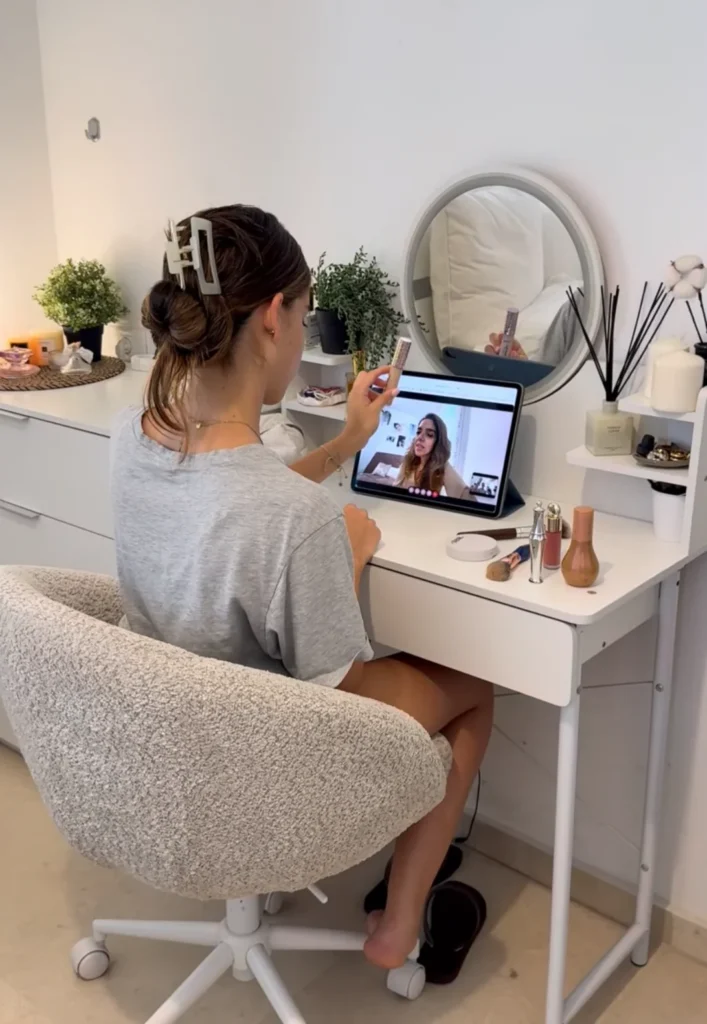
What Is the Difference Between Skin Tone and Undertone?
This distinction is why shade matching goes wrong. Two people with identical depth can need completely different foundations because one is warm and one is cool.
It is also why your summer shade should be a deeper version of the same undertone, not a different undertone entirely. See a natural everyday look.
How Do You Find Your Undertone at Home?
The vein test: look at the inside of your wrist in natural light. Green leaning veins suggest warm, blue or purple suggest cool, a mix suggests neutral.
The metal test: hold gold jewelry against your skin, then silver. Whichever makes your skin look brighter rather than sallow points to your undertone. Gold for warm, silver for cool.
The white paper test: hold a sheet of plain white paper beside your bare face. Warm skin looks yellow or golden against it, cool skin looks pink or rosy, neutral looks neither.
Do all three in daylight, never under bathroom lighting. Artificial light shifts the result more than anything else on this list. See browse artists and rates.
Your look, guided live by a real artist
1 hour or 1.5 hour sessions · your own makeup · each artist sets their own rate
Browse MkUp Artists →What Do the Three Undertones Look Like?
Warm undertones usually suit gold jewelry, ivory rather than pure white, and peach or coral blush.
Cool undertones suit silver, true white, and rose or berry blush.
Neutral is the most common and the most flexible. If your tests disagree, you are probably neutral, and most brands’ neutral shades will work. See when your base looks patchy.
How Does Undertone Change Your Foundation Shade?
Shade codes usually carry the undertone: W or N or C, or numbers like 2W1. Find your family first, then adjust depth.
Test on your jawline in daylight, not your wrist or the back of your hand. Those are frequently a different color from your face.
Let it sit for ten minutes before judging. Many foundations oxidise slightly and go warmer as they settle. See where highlighter goes.
Why Do Online Undertone Quizzes Disagree?
The vein test in particular is genuinely difficult to self-assess. Most people’s veins look somewhere between blue and green, and which one you name depends heavily on the light you are standing in.
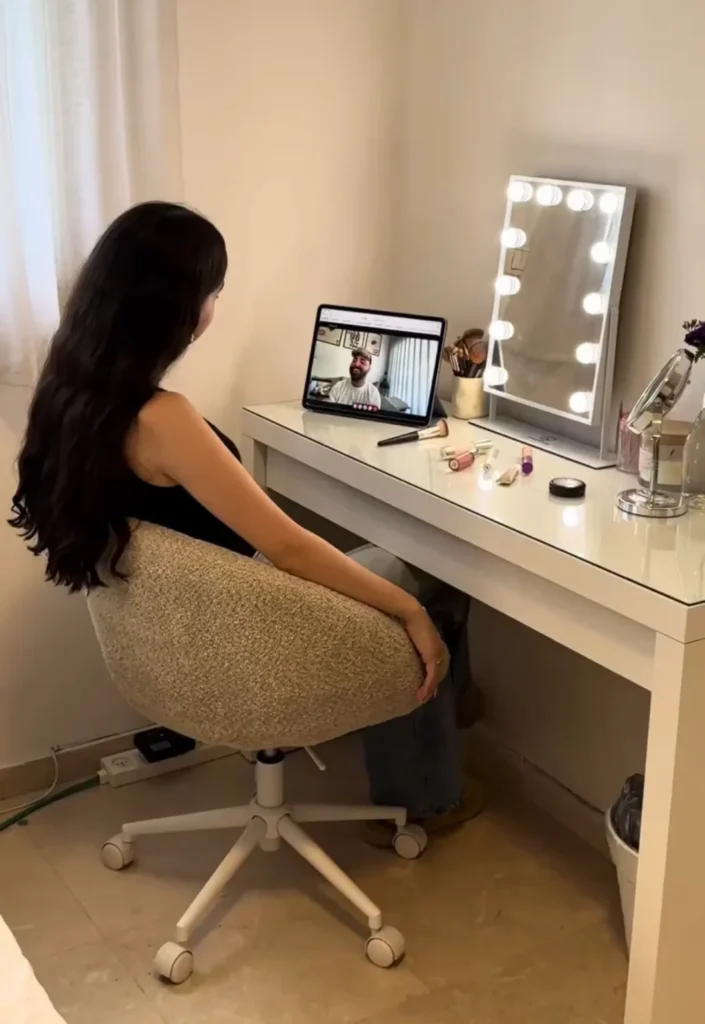
This is the part where a second pair of eyes matters most, and where a written answer runs out. See an artist seeing your skin in your own light.
Can You Have More Than One Undertone?
This is why some people test as cool on the wrist and warm on the jaw. The wrist has no redness and the face does, so the two areas genuinely look different.
Always match to your jawline, because that is the area your foundation has to blend into at the neck.
If redness is what is confusing the test, a green color corrector on those areas before foundation will neutralise it, and your true undertone becomes much easier to see.
What Else Does Undertone Decide?
Warm undertones generally suit peach and coral blush, warm reds with an orange lean, bronze and gold eyeshadow, and ivory rather than stark white clothing.
Cool undertones suit rose and berry blush, blue-based reds, taupe and gray eyeshadow, and true white.
Neutral undertones can wear most of both, which is genuinely an advantage rather than a fence-sitting answer.
This is why undertone is worth establishing once and properly. It quietly decides a large share of every future purchase.
When undertone matters less than you think
If you wear a sheer base or skin tint rather than full coverage, undertone matters far less, because enough of your real skin shows through to correct the difference. The heavier the coverage, the more precisely the undertone has to match.
Frequently Asked Questions
What are the three skin undertones?
Warm, cool and neutral. Warm reads golden or peachy, cool reads pink or bluish, and neutral shows a balance of both.
Does my undertone change when I tan?
No. Tanning changes your depth, not your undertone. Your summer foundation should be a deeper shade in the same undertone family.
Is the vein test reliable?
Only as one of three. Veins look different under different lighting, so use it alongside the metal and white paper tests and look for agreement.
What undertone is most common?
Neutral. If your three tests disagree with each other, neutral is the most likely answer and neutral shades will usually suit you.
Why does my foundation look orange?
Usually a warm shade on cool or neutral skin, or oxidation. Let foundation sit ten minutes before judging, because many go warmer as they settle.