
By Kelly Dolev, Founder of MyMkUp
Patchy is the complaint we hear most, and it is the one people most often try to solve by buying another foundation. That rarely helps, because foundation is the layer where the problem shows up, not the layer that causes it.
There are three real causes. Once you know which one you have, the fix takes minutes and usually costs nothing.
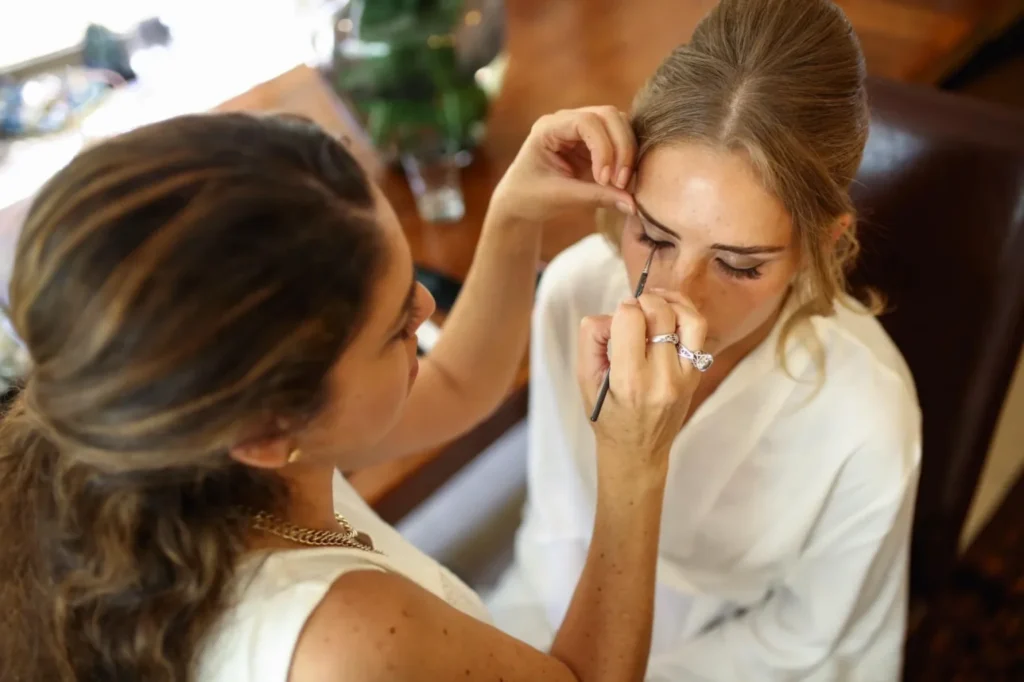
What Causes Patchy Makeup?
If the patches are flaky and cling around the nose, chin or brows, it is dryness.
If they appear as bare spots on the forehead or nose after an hour, it is oil pushing product away.
If the foundation rolls into small balls as you blend, that is not patchiness at all. That is pilling, and it means two products are refusing to sit together. See makeup for beginners.
Why Does My Foundation Look Patchy Even With Primer?
Primer does not always prevent patchy foundation. If your skin is flaky, excessively oily, or your primer and foundation formulas do not layer well together, your foundation can still separate or cling to certain areas.
A mattifying primer can make dry areas look more textured, while a rich or slippery primer may cause foundation to move around on oily skin. Apply primer only where you need it and give it a moment to settle before applying foundation.
How Do You Fix Patchiness From Dry Skin?
Physical flakes must come off before foundation. No product covers a flake, it only sits on top of it and makes it more visible.
Patchiness on the cheeks is also often caused by dryness or uneven texture, so avoid applying extra layers of foundation to the area.
Then hydrate and wait. This is the same waiting step that fixes fading, and it is skipped just as often. See browse artists and rates.
Your look, guided live by a real artist
1 hour or 1.5 hour sessions · your own makeup · each artist sets their own rate
Browse MkUp Artists →Why Does My Makeup Look Patchy on My Nose?
Do not mattify the whole face. Drying out areas that are not oily creates the other kind of patchiness.
Blot rather than add. Adding powder on top of oil is what turns a shiny patch into a cakey one. See makeup that holds all day.
Why Does Foundation Roll Off When I Blend?
Check the first few ingredients. Anything ending in -cone is silicone based. Match your primer and foundation to the same family and pilling usually stops immediately.
Give each layer time to set. Pilling gets much worse when you blend a new layer into one that has not settled.
Use pressing motions rather than sweeping ones over an area that has already pilled. See your undertone.
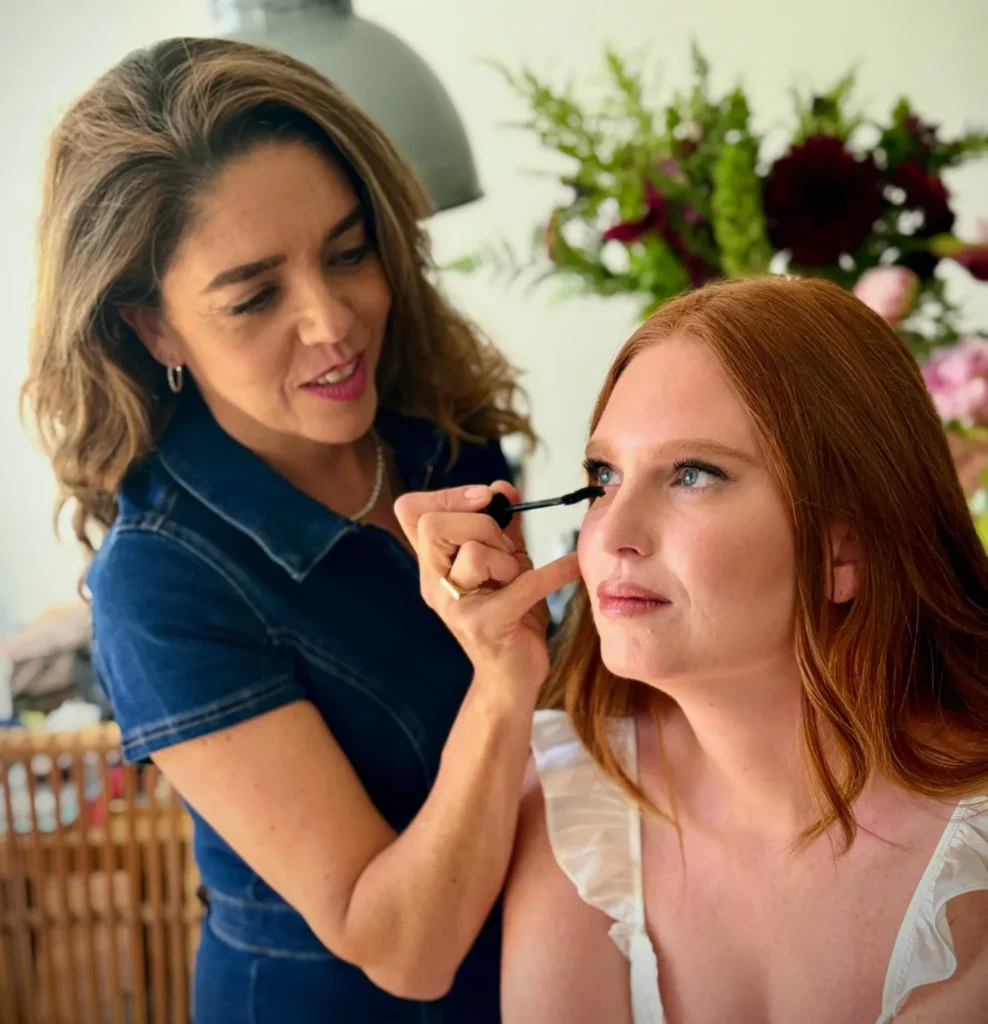
Does the Tool Matter?
For patchy-prone skin, a damp sponge in pressing motions is the most forgiving method.
Whatever you use, clean it. Product build-up on a sponge or brush is a genuine cause of uneven application that nobody thinks to check. See an artist looking at your actual skin.
Why Does My Makeup Look Patchy After a Few Hours?
Give your base ten minutes before you judge it. A lot of foundation looks flawless while wet and reveals every dry patch as it sets, which is why so many people leave the house happy and see the problem in a car mirror.
If it separates specifically around the nose and mouth, that is usually oil in the folds combined with product that was applied too thickly there.
Setting those two areas lightly, and only those two, fixes it more often than changing product does.
Can Your Skincare Be Causing It?
If patchiness started after a skincare change, that is almost certainly the cause. Try your old routine for a week and apply the same makeup to test it.
Facial oil under foundation is the most common single culprit. It feels excellent and it dissolves the base as you blend.
The fix is not necessarily to stop using them. It is to allow proper absorption time, or move them to your evening routine instead.
How to Fix Patchy Makeup Without Taking It Off
You do not always need to remove your entire makeup base when it becomes patchy.
If the area is oily, gently blot it first instead of immediately adding more powder. If it is dry, press a tiny amount of moisturizer onto the patch and allow it to settle before lightly tapping foundation or concealer over it.
For cakey areas, use a damp sponge to gently press the existing makeup back into the skin and soften the edges. Avoid rubbing or adding multiple layers of foundation, as this can make the patch more noticeable.
When it is not a makeup problem
If your skin is peeling from a new active, sunburn or a reaction, no application technique will fix it. Give the barrier a few days with just moisturizer and minimal base. Makeup applied over compromised skin will look patchy no matter what you do.
Frequently Asked Questions
Why is my foundation patchy even though it is expensive?
Because foundation is where the problem shows, not where it starts. Dry patches, oil and formula conflict all produce patchiness regardless of price.
How do I stop foundation clinging to dry patches?
Remove the flakes first with gentle exfoliation, then hydrate and wait for it to absorb. No foundation covers a raised flake.
What is pilling and how do I stop it?
Pilling is product rolling into small balls as you blend. It happens when water-based and silicone-based products layer together. Match the formula families.
Should I use a brush or a sponge for patchy skin?
A damp sponge, in pressing motions. Brushes sweep product across the surface and drag on dry areas.
Can primer fix patchy makeup?
Only if it targets your actual cause. A mattifying primer on dry skin makes patchiness worse, and a hydrating one on oily skin will not hold.
Why does my makeup look patchy after setting spray?
Setting spray can make existing patchiness more noticeable if your foundation has already separated because of dryness, oil, or too much powder. Spray it evenly from the recommended distance and avoid rubbing your face afterward. If the base is already patchy, fix the underlying area first rather than relying on more setting spray.
Why does my makeup look patchy under my eyes?
Patchy makeup under the eyes is usually caused by dryness, fine lines, or applying too much product. Use a small amount of lightweight moisturizer beforehand, allow it to absorb, and apply thin layers of concealer or foundation. Press the product in with a damp sponge rather than repeatedly blending over the same area.
Why does my foundation look patchy and dry?
Foundation can look patchy and dry when it clings to flaky or dehydrated skin. Gently remove visible flakes, moisturize properly, and allow your skincare to absorb before applying your base. Using less foundation and pressing it into the skin can also prevent dry areas from becoming more noticeable.